


Reference: 1232



Staghorn Sumac, also known as Vinegar Tree or Rhus typhina, is a North American plant belonging to the Anacardiaceae family. It is a fast-growing shrub that typically reaches 3 to 4 meters in height at maturity.
Its large, alternate leaves are composed of 11 to 31 serrated leaflets, measuring between 10 and 30 cm in length. While they are bright green in summer, they are most famous for their spectacular autumn colors, turning vibrant shades of red, orange, and yellow.
The flowers appear between June and August in dense, upright clusters (panicles) up to 25 cm long. These develop into velvety red drupes that persist throughout the winter.
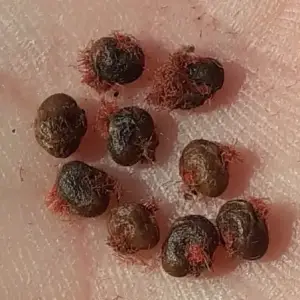
Staghorn Sumac seeds are black and surrounded by a signature red fuzz.
It prefers well-drained, light soil (slightly acidic to neutral). It is very adaptable and can tolerate nutrient-poor soils, but good drainage is essential to prevent root rot.
This North American shrub loves very bright exposure. While it tolerates light shade, full sun is necessary for optimal development and abundant flowering.
Staghorn Sumac is exceptionally hardy (USDA zones 4 to 8). It can withstand temperatures as low as -30°C. During the growing season, it thrives in temperatures between 15°C and 25°C.
Once established, it is drought-tolerant. However, regular watering during the first few years is important to ensure deep rooting.
It propagates mainly by seeds or cuttings. Semi-hardwood cuttings taken in late summer and placed in a soil-sand mix usually root easily within a few weeks.
Prune at the end of winter or early spring to encourage branching. Remove dead or diseased wood and thin out the center of the shrub to improve air circulation.
Your review appreciation cannot be sent
Report comment
Report sent
Your report cannot be sent
Write your review
Review sent
Your review cannot be sent
Reference: 1197

check_circle
check_circle


