€3.99
Reference: 1232


Siberian Motherwort is a fast-growing herbaceous plant from Asia.
It is native to southern Siberia, Japan, China, and Vietnam.
It reaches a height of approximately 80 cm to 1 meter and belongs to the large Lamiaceae family.
The visual appearance of Leonurus sibiricus is defined by finely divided leaves reminiscent of botanical lace. This dark green foliage features prominent veins and becomes sparser as the stem rises. The opposite arrangement of the leaves along the square stem provides a very balanced, symmetrical structure to the entire plant.
In the heart of summer, crowns of small velvety flowers appear in successive tiers on the main stems. These inflorescences display very delicate purple or pinkish hues that contrast with the plant's rigid verticality.
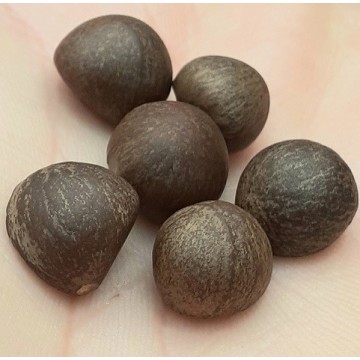
Once the flowering season is over, the plant produces dry receptacles containing the seeds.
Architectural Beauty for Your Garden Borders
Leonurus sibiricus is a major landscaping asset, renowned for its elegant vertical silhouette and deep purple flower spikes.
This species provides a graphic, modern structure to garden borders, transforming your outdoor spaces into botanical scenes that are as sophisticated as they are spectacular.
A Precious Ally for Local Biodiversity
A true pollinator magnet, its flower spikes irresistibly attract bees and butterflies throughout the season, thereby strengthening the ecological balance of your garden.
Very easy to care for, this plant requires little maintenance and reseeds itself generously, ensuring a faithful and flowering presence year after year.
Botanical Conservation and Exclusive Use
Although this species has historical ethnobotanical interest, its cultivation at Ethnoplants is strictly dedicated to ornamentation and the preservation of biodiversity.
This specimen must not be consumed, used in domestic preparations, or used for therapeutic purposes, its use being exclusively reserved for horticultural observation and botanical collection.
Siberian Motherwort prefers airy and rich substrates, although it tolerates poorer soils as long as water does not accumulate. Loose soil promotes the development of a healthy root system, while occasional organic input ensures a denser and more floriferous silhouette.
This species requires a prime spot in full sun. A lack of sunlight may weaken the plant, making its habit more frail and dulling the vividness of its purple hues.
This plant thrives fully in mild climates and easily withstands heat peaks during the summer period. While it tolerates a few cool spells, it remains vulnerable to stagnant winter humidity, which can harm the viability of young plants.
Its water needs should be regular at the beginning of growth, then become more spaced out once the plant has reached maturity. Although it resists temporary dry spells, it dreads above all excess water, which could suffocate its base.
This article was written by Julien on 07/16/2026.
Your review appreciation cannot be sent
Report comment
Report sent
Your report cannot be sent
Write your review
Review sent
Your review cannot be sent

check_circle
check_circle