


Reference: 1232


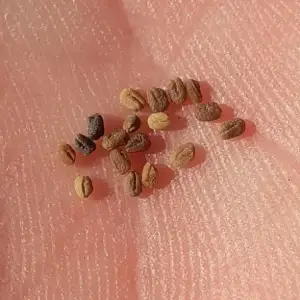

King of bitters, also known as Chuan Xin Lian, kariyat, Kalmegh, or Andrographis paniculata in Latin, is a small herbaceous plant measuring 50 to 80 cm in height. Native to Asia and belonging to the Acanthaceae family, Chiretta is non-hardy. It is also referred to as green Chirreta, Carmantine, Mahalita.
Flowering occurs during the summer period. Its flowers are white with a touch of violet on the upper part of the petals. They are tube-shaped and grouped in spikes. The leaves are alternate, simple, and lanceolate, generally measuring between 4 to 10 cm in length. They are an intense green color and often have serrated edges.
King of bitters seeds are small and can be yellow, brown, or sometimes gray. The seeds are cylindrical and typically measure 1 millimeter in length.
Kariyat grows in soil rich in organic matter with a slightly acidic pH (such as heather soil or peat). Remember to provide drainage at the bottom of the pot with gravel or clay pebbles.
Chuan Xin Lian loves humidity; it requires several waterings per week to ensure good growth. During the summer, the plant will need to be watered 2 to 3 times per week.
It requires slightly filtered light and thrives in shaded or even full-shade environments. Regarding artificial lighting, fluorescent tubes or horticultural LED grow lights are preferred.
Green Chirreta grows very well when the temperature is between 20°C and 30°C. Due to its exotic origin, it is unfortunately not hardy and dies when temperatures drop below 0°C. Its USDA hardiness zone is 9-11.
The only way to reproduce this plant is by sowing seeds as soon as the warm weather arrives. Unfortunately, this plant cannot be grown from cuttings.-
The "Herb of the God of Medicine" is rarely attacked by pests, nor is it prone to bacterial or fungal infections.
Be sure to cut back any dry parts of the plant at the end of the year.
Your review appreciation cannot be sent
Report comment
Report sent
Your report cannot be sent
Write your review
Review sent
Your review cannot be sent

check_circle
check_circle


