


€3.99
Reference: 1232

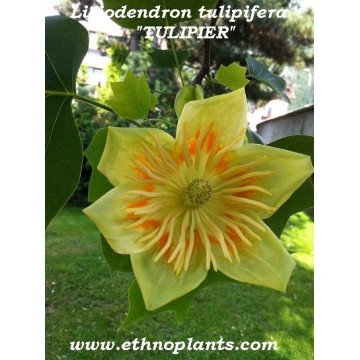
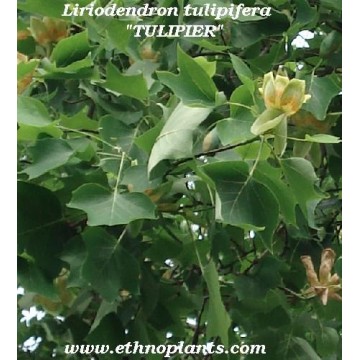
YELLOW POPLAR TREE, 7 - 20 cm tall
Tulip Tree, also known as Liriodendron tulipifera or Yellow Poplar, is a deciduous broadleaf tree belonging to the Magnoliaceae family.
It is native to the southern and eastern United States and can reach heights of up to 35 meters.
It features remarkable foliage. Its large, lobed leaves provide dense greenery in summer, turning beautiful shades of yellow and orange in autumn, adding a vibrant touch to the landscape.
Its flowers are particularly spectacular: tulip-shaped and appearing in June and July, they range in color from bright yellow to orange, often marked with dark spots at the base.
Their delicate fragrance and elegant appearance make the tree a favorite in parks and gardens.
The wood is light, soft, fragrant, and durable, with a fine texture and a lovely cream to pale yellow hue.
A Majestic Pillar for Your Landscape
The Tulip Tree is an iconic tree, renowned for its imposing stature and versatility.
A true centerpiece of landscaping, it captivates with its vigorous growth and graceful pyramidal habit.
Unique Foliage and Flowering
It stands out for its characteristic foliage, with uniquely shaped leaves that turn a brilliant golden yellow in autumn.
In spring, it offers spectacular flowering: large, delicate flowers, reminiscent of the shape of a tulip, in shades of green, yellow, and orange.
Adopting this tree from Ethnoplants means choosing a subject of great aesthetic value that brings generous shade and timeless nobility to your garden.
Liriodendron tulipifera prefers very bright exposure. While it tolerates light shade, its growth and flowering are optimal in sunny conditions.
Well-lit areas allow the tree to develop its beautiful tulip-like flowers in summer.
Yellow poplar loves moist but well-drained soils. It develops best in environments with regular ambient humidity.
However, it does not tolerate stagnant water, which can lead to root problems.
Tulip Tree is generally disease-resistant, but it can be prone to fungal diseases if humidity is excessive or soil drainage is poor.
Monitor for the presence of fungi or leaf spots to prevent spreading.
This article was written by Julien on 07/20/2026.
Your review appreciation cannot be sent
Report comment
Report sent
Your report cannot be sent
Write your review
Review sent
Your review cannot be sent
Reference: 0118
Reference: 1201

check_circle
check_circle


