


Reference: 1232


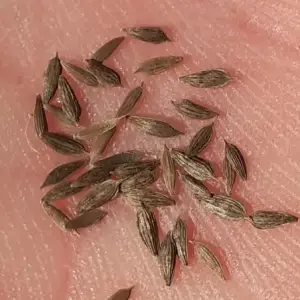


Wild Lettuce is a variety of biennial wild herb and ethnobotanical plant that can grow up to 2 meters in height.
It is native to Europe and is characterized by its rapid growth.
Wild lettuce seeds from Lactuca virosa are achenes that feature a fine pappus of bristles measuring 2 to 5 millimeters in length.
They blow away very easily thanks to these "parachutes" as soon as there is a light breeze.
It is distinguished by its lobed and serrated leaves that extend along erect stems.
The leaves are an intense green and can reach up to 20 cm in length. Their texture is slightly hairy, and they are arranged in an alternate pattern, creating a dense and bushy appearance.
Its flowers are small and grouped into capitula, forming bright yellow inflorescences that bloom from summer to autumn.
They attract various pollinators, particularly bees. Each flower head is composed of numerous individual florets.
It develops very well in a well-drained, light, and fertile soil, such as a mixture of garden soil and compost, which promotes healthy growth.
Its location should be in full sun or partial shade. Direct exposure to the sun promotes optimal growth and lush leaf development.
It can tolerate partial shade, but maximum sunlight is preferable.
Lactuca virosa is hardy and tolerates moderate temperatures. It prefers temperatures between 15 °C and 25 °C.
In winter, it can withstand light frosts, but prolonged extreme temperatures can harm its health.
Its water needs are moderate. Regular watering is necessary, especially during dry periods, to keep the soil slightly moist.
However, it is important to avoid excess water.
Multiplication is carried out primarily by seeds.
It can be affected by certain pests such as aphids and slugs.
In terms of diseases, it is susceptible to rust and powdery mildew, especially in excessively humid conditions.
It is recommended to ensure good air circulation and to monitor the plant regularly to prevent infestations.
The architectural aesthetic of wild lettuce
Wild lettuce stands out with its stately silhouette and striking foliage, offering gardeners a unique and hardy plant to admire.
This botanical specimen, prized for its slender habit, adds an authentic, structured dimension to outdoor spaces dedicated to collector plants.
A natural haven for local biodiversity
Beyond its ornamental appeal, this rustic variety plays a vital role in attracting pollinating insects to your garden.
By introducing this species through seedlings grown from the fresh, untreated seeds available on the Ethnoplants website, you actively contribute to the preservation of regional wild flora while providing lasting support for the local ecosystem.
An ornamental, non-edible variety.
This article was written by Julien on 09/28/2026.
Your review appreciation cannot be sent
Report comment
Report sent
Your report cannot be sent
Write your review
Review sent
Your review cannot be sent
Reference: 1175

check_circle
check_circle


