Reference: 1232


Liquorice, also known Glycyrrhiza glabra in Latin, is a wild herbaceous perennial belonging to the large Fabaceae family.
This hardy plant typically measures between 1 and 1.5 meters in height.
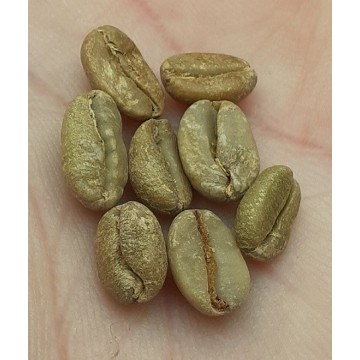
Liquorice seeds are brown, relatively round, and measure 2 millimeters in diameter. They are found in pods in groups of 3 to 5 from September until the end of October.
Its green leaves are thin and elongated, composed of several leaflets.
Aromatic roots are brown, long, slender, and deeply anchored in the soil.
In the spring, its flowers bloom in clusters of small purple blossoms. Their sweet fragrance attracts bees and butterflies, creating a lovely floral display in the garden.
The Sweet Wood Stick That Traverses History
Cultivated since antiquity from the shores of the Mediterranean to Asia, licorice is a legendary plant appreciated for millennia.
Planting this stunning perennial in your garden is like taking a journey back in time, observing the growth of a historic variety with elegant foliage reminiscent of wisteria.
Azure Blooms to Enhance Your Flowerbeds
Before developing its characteristic root system, licorice adorns itself in summer with delicate clusters of highly aesthetic purple-blue flowers.
Ideal for landscaping sunny areas, this vigorous shrub adds a light texture and welcome verticality to the heart of your borders, while enriching the soil due to its nature as a legume.
A Challenge of Patience for the Gardener
If you are looking for an original plant that establishes itself for the long term, licorice is an ideal candidate for your vegetable or ornamental garden.
Its cultivation requires deep soil and a little patience before the full development of its roots can be observed, offering a rewarding gardening experience for any botany enthusiast curious about growing this iconic variety.
Liquorice requires soil rich in organic matter; a basic potting soil suits it perfectly. Ensure the substrate is well-aerated by adding vermiculite or gravel.
When grown in pots, liquorice is very water-hungry. It should be watered at least once a week in winter and three times a week in the height of summer. For outdoor ground cultivation, watering once a week is usually sufficient.
This plant is not demanding regarding its exposure. Whether in partial shade or full sun, it will grow perfectly well and relatively fast. For indoor cultivation under artificial lights, neon tubes, MH, or HPS lamps are preferred.
There are two effective ways to multiply liquorice: either by seeds or by root cuttings. For the latter, take a piece of root about 5 cm long and plant it in a mix of potting soil and sand during the autumn.
Resistant to most diseases and pests, it can occasionally be attacked by red spider mites.
This article was written by Julien on 07/14/2026.
Your review appreciation cannot be sent
Report comment
Report sent
Your report cannot be sent
Write your review
Review sent
Your review cannot be sent

check_circle
check_circle