


- Out-of-Stock

Reference: 1232


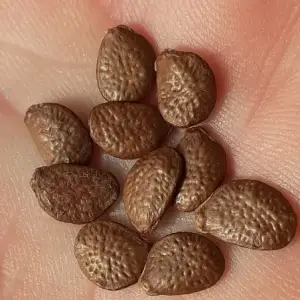

Ylang-Ylang, also known as Perfume Tree, is a non-hardy, very fast-growing shrub belonging to the Annonaceae family.
It is a beautiful small exotic evergreen tree native to Southeast Asia, typically reaching between 2 and 3 meters in height.
The flowers of the "Chanel No. 5 tree" are yellow, consisting of five 10-cm long petals and a green center. Highly prized by perfumers worldwide, its scent is intoxicating and very powerful. Its name, Ylang-Ylang, means "flower of flowers."
Ylang-Ylang seeds come from Cananga odorata; they are smooth, flat, rounded, and light brown. They measure on average 5 to 7 millimeters in length. The leaflets are simple, leathery, glossy, elongated, ovoid, and green, measuring between 8 and 20 cm in length.
A Treasure of High Perfumery
Nicknamed the "perfume tree", Ylang-Ylang is a tropical tree world-renowned for the captivating fragrance of its fresh flowers.
A true pillar of luxury perfumery, this collector's species brings incomparable floral, powdery, and exotic notes to prestigious olfactory creations.
Tropical Culture and Local Traditions
Native to the humid forests of the Indian Ocean, this iconic plant plays a central role in the traditional rituals and celebrations of Madagascar and the Comoros Islands.
Harvested at dawn to preserve the full richness of their aromatic compounds, its large, bright golden-yellow flowers adorn living spaces and symbolise hospitality.
A Growing Challenge for Enthusiasts
To thrive and reveal its graphic evergreen silhouette, this exotic tree requires a warm, humid atmosphere and a very bright exposure.
Sowing our fresh, untreated seeds from Ethnoplants offers discerning collectors the rare pleasure of recreating the enchanting ambiance of a tropical greenhouse at home.
It grows in any soil type as long as it is humus-rich, slightly stony, and, above all, well-draining.
Full sun exposure is recommended to encourage abundant flowering.
Due to its tropical origin, it requires significant heat; temperatures should be between 25 and 35°C. The plant will virtually stop growing when temperatures drop below 15°C. Its hardiness is low—it will not survive winter frosts and must be brought indoors, into a heated greenhouse, or a conservatory. Its USDA zone is 9-11.
It is important to irrigate well every 2 days during the first 2 weeks after planting. For pot culture, watering once a week is usually sufficient. Never let water stagnate in the saucer, as this risks rotting the roots.
The best way to reproduce it is by sowing seeds. It is also possible to take 15-cm semi-hardwood stem cuttings in late summer using the "smothering" (high humidity) method.
This article was written by Julien on 07/16/2026.
Your review appreciation cannot be sent
Report comment
Report sent
Your report cannot be sent
Write your review
Review sent
Your review cannot be sent

check_circle
check_circle


