


Reference: 1232



Blue Gum, also known as Eucalyptus globulus in Latin, is a tree measuring 8 to 10 meters in height and belongs to the Myrtaceae family.
This variety is native to Australia and Tasmania.
This flowers are white to cream, with long stamens that protrude from the petals. They are grouped in clusters, often with 7 to 11 flowers per group. Flowering takes place in summer and autumn.
Its leaves are characterized by their elongated and lanceolate shape. Young leaves are generally light green and have a more rounded shape, while mature leaves are darker, of an intense green, and can measure between 15 and 30 cm in length. They are also aromatic and release a fresh scent, often associated with its essential oil.
Fruit is a woody capsule that appears after flowering. It is generally round or bell-shaped and measures approximately 1 to 2 cm in diameter. When ripe, it opens to release the seeds.
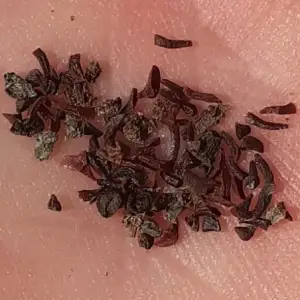
Eucalyptus globulus seeds are black, angular in shape, and measure an average of 2 millimeters in length. These seeds are dispersed by the wind when they are released from the mature capsule.
This species prefers well-drained soils, rich in organic matter and minerals. It adapts well to sandy, clayey, or loamy soils, but it is essential that the soil does not retain too much water, as it can suffer from waterlogging.
It requires full sun exposure to promote optimal growth. It also tolerates partial exposure, but this may reduce its vigor.
This medicinal variety grows very well when temperatures range from 20 to 30°C. It is generally resistant to temperatures down to -10°C when mature. It thrives very well in Mediterranean climates, with hot and dry summers.
During planting, regular watering is necessary to establish the root system during the first two months. Subsequently, it is quite drought-resistant and requires little watering once well established.
It reproduces mainly by seed. It is also possible to multiply it by taking cuttings from woody stems.
Your review appreciation cannot be sent
Report comment
Report sent
Your report cannot be sent
Write your review
Review sent
Your review cannot be sent

check_circle
check_circle


