Reference: 1232


Plantain banana is an exotic and edible species of banana tree from the Musaceae family. Its country of origin is Asia, but it is primarily produced in the intertropical zones of Africa and Central America. It is a non-hardy, perennial variety that typically measures 3 to 5 meters in height.
Its fruits, the plantains, are edible, thick, and angular with a taste reminiscent of sweet potato. They measure 30 to 40 cm in length and are green, turning yellow once ripe.
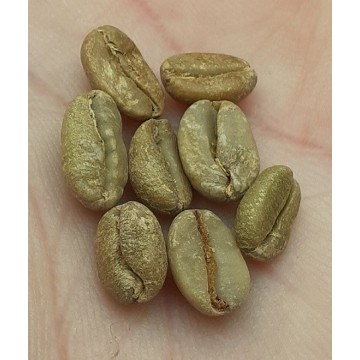
Edible banana seeds from Musa paradisiaca are gray, slightly rough, irregular, measuring on average 6 millimeters in diameter with a weight of a few centigrams.
Its flowers are odorless and consist of a long inflorescence measuring one meter in length, composed of double rows of small purple tubular flowers with fused petals.
The pseudostem (its trunk) is smooth and ribbed, colored brown, green, and yellow. Each plant has between 20 and 30 large leaves measuring 2 meters in length.
It needs very humiferous soil, rich in organic matter and well-draining. In pots, it will be necessary to add some clay pebbles to facilitate water drainage.
This banana tree must be grown in full light. It enjoys sunny locations. Its exposure should therefore be full sun or very lightly shaded.
Like most Musaceae, it is not hardy; its fibers freeze and burst when the temperature drops below 0°C. It is therefore imperative to bring the plant indoors in winter. The ideal temperature is around 27°C. Its USDA hardiness zone is 10-11.
It is a very water-demanding plant; the plant must be irrigated at the base during planting twice a week for a duration of 3 weeks. Once well-established, it is no longer necessary to water it.
Its mode of reproduction can be done either by sowing or by dividing its suckers (offsets). This procedure should be performed in autumn.
This variety of Musa is not particularly sensitive to diseases or pests.
Prune the yellow leaves regularly as it grows. For indoor cultivation, clean the leaves with a sponge to remove dust and other deposits.
Your review appreciation cannot be sent
Report comment
Report sent
Your report cannot be sent
Write your review
Review sent
Your review cannot be sent

check_circle
check_circle