- Out-of-Stock

Reference: 1232


Coleus, also known as Painted Nettle, Solenostemon, or Coleus blumei in Latin, is a perennial ornamental herbaceous plant belonging to the Lamiaceae family. It is native to the tropical forests of Asia, America, Africa, and the Pacific Islands. It is a magnificent, fast-growing plant that typically measures 50 to 80 cm in height.
Coleus is famous for its vibrantly colored leaves. They can display a range of hues, including red, purple, and yellow. The broad leaves are generally oval or serrated with wavy edges. The soft, velvety texture of the leaves enhances the plant's ornamental appeal.
The flowers of the Coleus are small and discreet, usually purple in color, and grouped in slender spikes. Flowering occurs in summer, but the flowers may be considered less attractive than the foliage; many gardeners prefer to pinch off the flowers to encourage denser leaf growth.
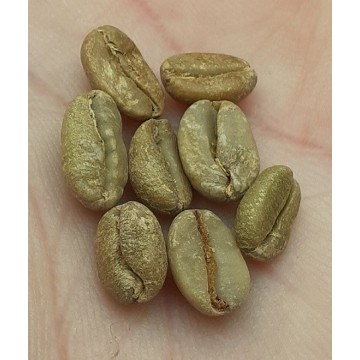
Coleus seeds are small, round, and black. They usually ripen at the end of the year, just after flowering, and are contained in small pouches.
A Vibrant and Historical Botanical Wonder
Coleus is a fascinating tropical plant of the Lamiaceae family, wrapped in local legends within the ethnobotanical folklore of Central America.
Frequently studied for its unique place in ancient Mexican herbals, this historical species brings a captivating cultural depth to any plant collection.
A Spectacular and Graphic Foliage for the Shade
This ornamental shrub is distinguished by its velvety leaves, featuring extraordinary graphic patterns and intensely rich shades of red, yellow, and green.
Acquiring our vigorous young Coleus plant from Ethnoplants allows you to instantly brighten your shaded borders, patio planters, or indoor spaces with a highly colourful touch of exoticism.
A Fast-Growing and Low-Maintenance Plant
Remarkably easy to grow, this variety thrives in moist, well-draining soil and partial shade, which perfectly preserves the brilliant intensity of its leaves.
Cultivated exclusively for its exceptional aesthetic qualities and botanical preservation, this magnificent collector's specimen must not be consumed under any circumstances.
The Painted Nettle grows very well in peat or simply with a good horticultural potting soil. Fertilizer is not necessary for the first 6 months.
This plant requires frequent watering—every 2 days if it is very hot. In winter, the plant enters a dormant phase; irrigation can then be reduced to once every 15 days.
It grows very well in a location that is, if possible, slightly shaded. Regarding artificial lighting, neon bulbs or MH (Metal Halide) are preferred.
Growth is rapid when the temperature varies between 20 and 30°C. Be careful to bring the plants indoors in winter, as it is a frost-sensitive variety that will not tolerate freezing temperatures.
There are two ways to reproduce it: by seeds or by cuttings. For cuttings, cut a healthy stem of about 10 to 15 cm just below a node, then remove the lower leaves, keeping only a few at the top. Place the cutting in water or moist potting soil.
Solenostemon is sometimes attacked by fungal diseases such as powdery mildew, which appears as a white powder on the leaves. This can be caused by excess humidity and a lack of air circulation. Certain parasites, including aphids and mealybugs, weaken the plant by feeding on its sap. A treatment with black soap is then beneficial.
To encourage a bushy habit, it is recommended to pinch off the tips of the stems or lightly prune the plant above a node.
This article was written by Julien on 07/16/2026.
Your review appreciation cannot be sent
Report comment
Report sent
Your report cannot be sent
Write your review
Review sent
Your review cannot be sent
Reference: 1167

check_circle
check_circle