Reference: 1232


Pot Marigold, also known by its Latin name Calendula officinalis, is an annual herbaceous plant in the Asteraceae family. It reaches a height of 25 to 40 cm and is characterized by its rapid growth. Native to the Mediterranean region of Europe, it is now cultivated in many parts of the world.
The plant features green foliage consisting of lanceolate, non-serrated leaves. These leaves, arranged in basal rosettes or along the stems, are covered in a light down that gives them a soft texture.
Its spectacular and colorful flowering period lasts from May to October. The flowers, often bright orange or golden yellow, are arranged in solitary flower heads (capitula) measuring 5 to 10 cm in diameter. Each flower is composed of numerous ray florets arranged in a crown around a central heart of tubular disc florets.
The fruits are achenes small, dry fruits containing a single seed. At maturity, they are brownish with a rough surface, facilitating dispersal by wind or animals. These achenes are often grouped in crowns around the flower head and are harvested for plant propagation.
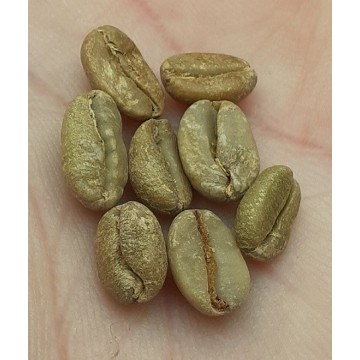
Pot Marigold seeds are curved in a "C" shape with small spikes above the main vein, resembling tiny maggots. They are gray in color and measure between 3 and 10 millimeters in length.
A Golden Flower for the Garden and Traditional Herbaria
Calendula officinalis, available as quality seeds from Ethnoplants, is an essential annual in traditional herbalism.
Renowned for its bright, glowing orange blooms, this exceptional plant is historically valued for making homemade infused oils and artisanal salves from dried flowers.
Culinary Uses and Natural Dyeing
Beyond its place in herbalism, Calendula finds its way into the kitchen, where its edible petals add delicate colour and flavour to summer salads.
It is also an effective dye plant: a decoction of its flowers yields natural pigments for producing lovely creamy yellow shades on textiles.
This versatility makes it a must have for lovers of plant-based and artisanal solutions.
This member of the Asteraceae family grows very well in light, well-drained soil rich in organic matter. A mixture of 60% garden soil, 20% compost, and 20% sand is ideal and ensures good root aeration.
This plant loves a very sunny exposure, although it can tolerate partial shade. To encourage abundant flowering, it is recommended to expose it to at least 6 hours of direct sunlight per day.
It stands up well to cool temperatures. While it can handle light frosts, it is best grown in areas where temperatures do not drop below -5°C. In colder regions, it is often grown as an annual.
The plant has high water needs and requires regular watering, especially during dry spells and at the time of planting. It is important to keep the soil slightly moist, but without excess water, as waterlogged soil can lead to fungal diseases.
While it is largely resistant to pests, it can be attacked by a few insects such as aphids or slugs. Fungal diseases may also occur if humidity levels are too high.
This article was written by Julien on 07/15/2026.
Your review appreciation cannot be sent
Report comment
Report sent
Your report cannot be sent
Write your review
Review sent
Your review cannot be sent
Reference: 1175
Reference: 1232

check_circle
check_circle